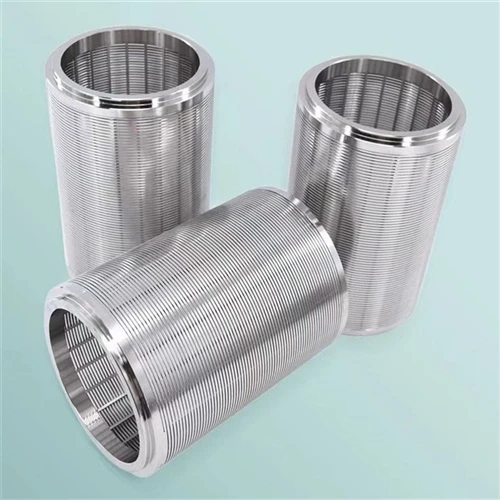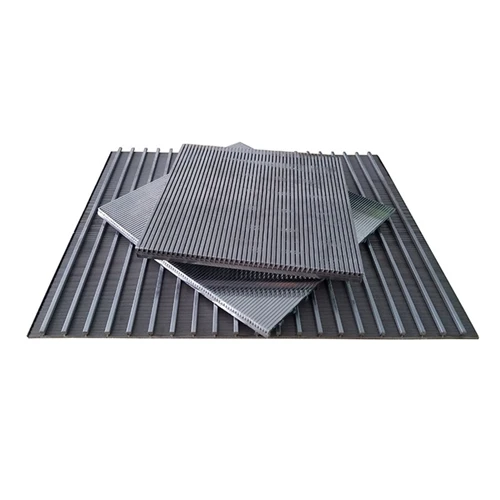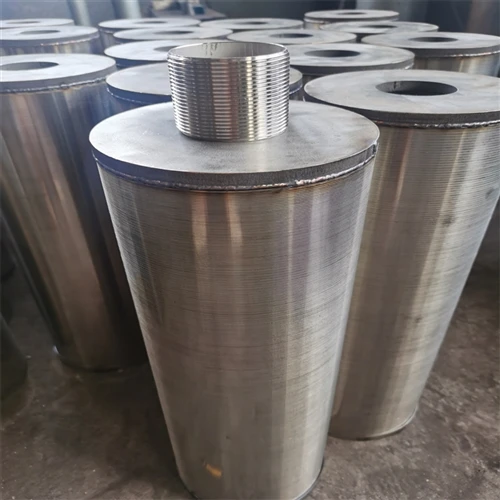
Wire cloth may look similar from a distance, yet weave pattern, wire diameter, and mesh count change how it behaves in service. The supplied product material lists plain weave, twill weave, and dense woven forms, with stainless grades including SUS302, 201, 304, 304L, 316, 316L, 310, and 310S.
Stainless steel woven wire mesh is used for screening and filtration in mining, petroleum, chemical, food, pharmaceutical, and machinery applications. The product information also describes square-opening and dense woven structures, so a buyer should not treat every mesh count as interchangeable. A filtration job may need fine retention, while a guard or screen may value strength and open area more heavily.
Material grade is another practical choice. The source information distinguishes 304 and 316 families and notes that 316 is used where stronger corrosion resistance is required. High-temperature grades such as 310S are also listed for elevated-temperature environments.
Before ordering stainless steel woven wire mesh, confirm material grade, weave, mesh count, wire diameter, roll or panel size, and the medium being filtered. Those details let production match the mesh structure to the actual process instead of relying on a generic description. For repeated production, a retained sample or approved mesh specification can help purchasing and inspection teams compare later batches against the same filtration requirement. Approved samples can simplify later incoming quality checks.