Before installation, check that the edges of the mesh are smooth to avoid scratches; welded joints should be free of incomplete welds or cracks to ensure structural stability. In building reinforcement, the mesh must be fixed in position according to design requirements to prevent displacement during concrete pouring; in aquaculture, regularly clean excrement or debris from the mesh surface to prevent clogging of the pores. If used outdoors, choose a surface treatment process with strong weather resistance and regularly check for peeling of the anti-corrosion layer, reapplying protective materials as needed.
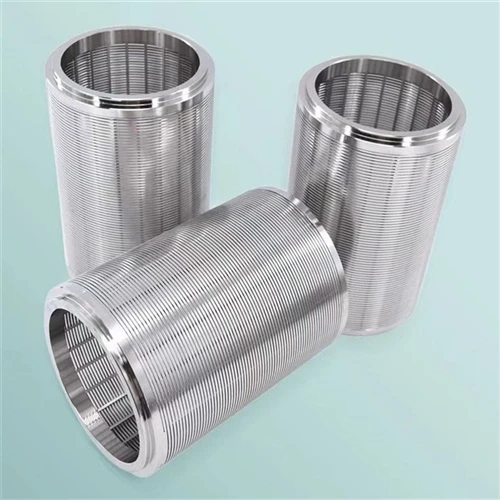
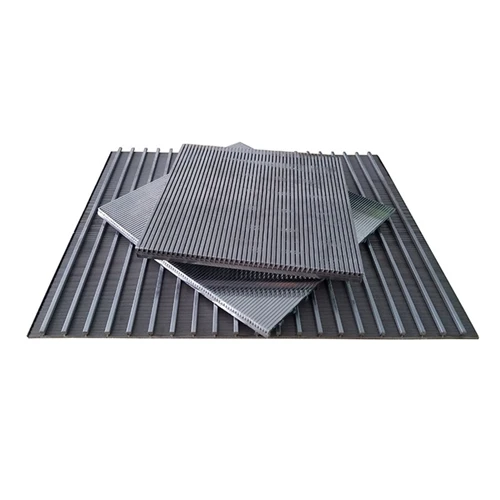
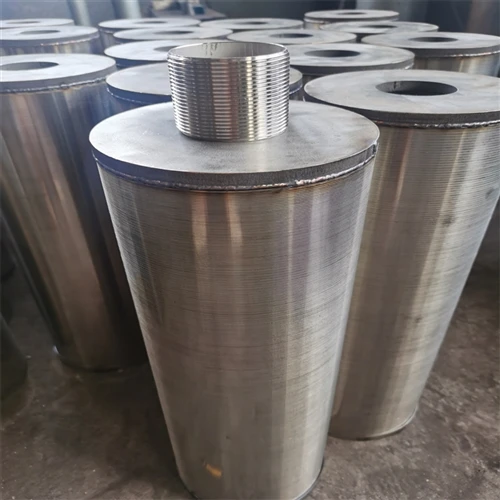
Welded wire mesh is a product made from metal wires connected into a mesh structure through welding. It is widely used in construction, aquaculture, and industrial protection. Its core features are structural stability, strong load-bearing capacity, and the ability to be customized to different specifications to meet diverse application scenarios.
When selecting welded wire mesh, its quality must be inspected. A preliminary judgment can be made by visually inspecting whether the surface is flat, whether the welds are firm, and whether the galvanized layer or coating is uniform. You can also request the supplier to provide a quality inspection report to check whether its various performance indicators meet relevant standards. Choosing a supplier with a good reputation, advanced production technology, and comprehensive after-sales service is crucial. This ensures that you purchase reliable welded wire mesh products and receive timely technical support and after-sales service during use.