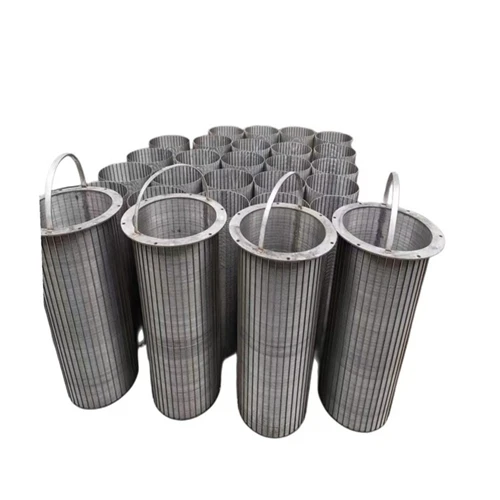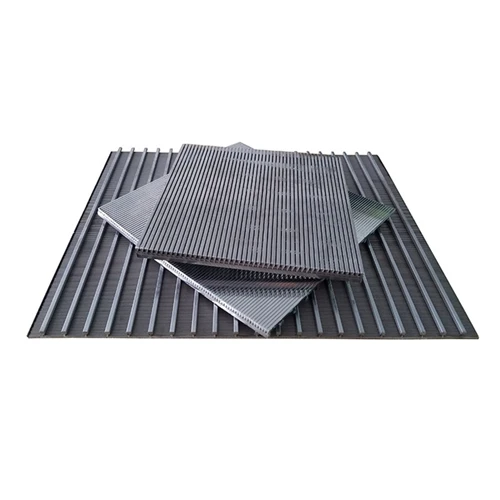
Welded wire mesh is manufactured by precision-welding high-quality low-carbon steel wires into a grid formation, followed by surface passivation and plasticization treatments-such as cold galvanizing (electro-plating), hot-dip galvanizing, or PVC coating. It is characterized by a flat surface, uniform mesh openings, strong weld points, excellent localized workability, structural stability, and superior resistance to corrosion and rust. Consequently, it is widely utilized across various sectors, including industry, agriculture, construction, transportation, and mining.
Material Selection
Low-Carbon Steel Wire: Relatively low in cost, it possesses a moderate degree of flexibility and strength, making it suitable for general applications such as construction and agricultural fencing. For instance, in rural settings, welded mesh made from low-carbon steel wire can effectively meet fencing requirements while keeping costs manageable.
Stainless Steel Wire: Boasting excellent corrosion resistance, it is suitable for use in humid or chemically corrosive environments-such as food processing plants and protective installations within chemical manufacturing facilities. The corrosion resistance varies among different grades of stainless steel wire: the commonly used 304 grade is suitable for most general corrosive environments, whereas the 316 grade offers superior performance in harsher environments involving strong acids or alkalis.
Galvanized Steel Wire: Available in two types: cold-galvanized and hot-dip galvanized. Cold-galvanized steel wire features a thinner zinc coating and relatively weaker corrosion resistance, though it offers a lower cost advantage; hot-dip galvanized steel wire, conversely, features a thick zinc coating, providing excellent corrosion resistance and a long service life. It is frequently utilized in applications where high durability is paramount-such as highway guardrails and steel reinforcement mesh for building foundations.
Wire Diameter Selection
Wire diameter refers to the diameter of the steel wire used in welded wire mesh. The thicker the wire diameter, the greater the strength and load-bearing capacity of the wire mesh. When selecting a product, the appropriate wire diameter should be determined based on the specific application scenario.
Mesh Size Selection
Mesh size refers to the distance between two adjacent wires in a welded wire mesh. The size of the mesh opening influences the performance characteristics and scope of application of the wire mesh.
Selection of Width and Length
The width and length of welded wire mesh are typically selected based on actual application requirements and construction convenience. Common widths include 0.5m, 1m, 1.2m, and 1.5m, while standard lengths generally range from 2m, 3m, to 5m. In building construction, for projects involving large wall surfaces, wider and longer sections of wire mesh may be selected to minimize the number of splices required; in the field of animal husbandry, appropriate widths and lengths can be customized to suit the specific dimensions of the breeding facility.